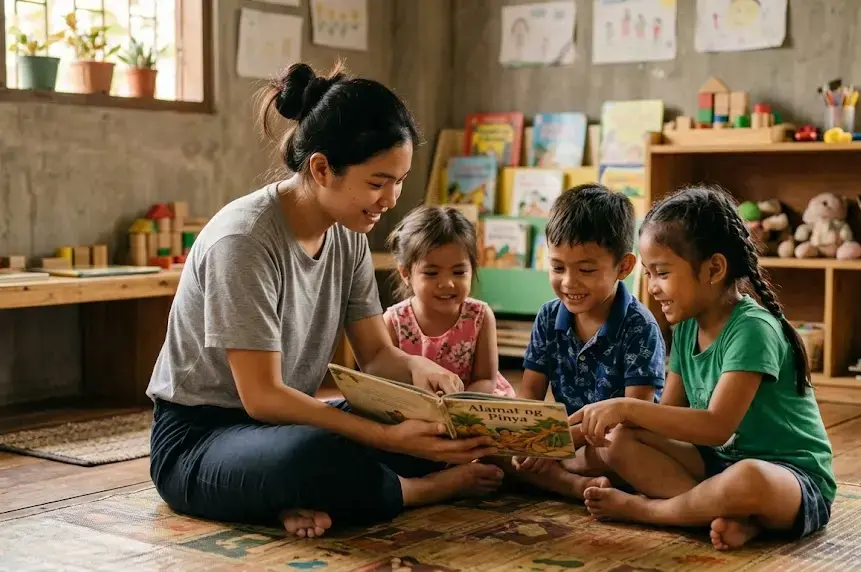
Yes, you can volunteer with children in the Philippines — but ethical programs require more than good intentions. Reputable organizations typically require background checks, a minimum placement length, and coordination with a center's existing staff, rather than allowing short-term, unscreened visitors to rotate through. This isn't bureaucracy for its own sake — it's a genuine child-welfare safeguard.
If you're considering this kind of volunteer work, here's what actually matters before you apply.
Most types of volunteer work — environmental cleanups, infrastructure support, teaching English to adults — don't carry the same risks as working directly with vulnerable children. Children in care centers have often already experienced instability, and a constant rotation of short-term volunteers who form quick bonds and then disappear can actually cause harm, even when every individual volunteer means well.
This is why the volunteering sector globally has moved away from short "orphanage tourism" placements over the past decade, and why any program you're considering should take this seriously rather than treating childcare as just another checkbox activity.
If an organization lets you sign up for a single afternoon with children and no screening process at all, that's a red flag, not a convenience. Look for programs that include:
At Voluntour's Orphanage Childcare program, placements run 2 to 8 weeks specifically because short, one-off visits don't serve children well — and the program is built in close partnership with each center's own staff rather than operating independently of them.
Formal childcare or education credentials aren't usually required, but the right temperament matters more than a certificate:
If you do have a background in early childhood education, psychology, or healthcare, mention this when you apply — it can help match you to a placement where that experience is genuinely useful.
Typical activities in a childcare volunteer placement include:
What it typically does not include: unsupervised one-on-one time with children, taking children off-site independently, or being left in charge without center staff present. If a program offers any of these without clear safeguards, that's worth questioning directly before you commit.
If you're traveling from abroad to volunteer with children, a few additional things are worth knowing:
If you're based in the Philippines, childcare volunteering is often more accessible in terms of logistics — no flights or visas to arrange — but the same ethical standards should still apply. A local volunteer showing up consistently on weekends over a few months can build far more meaningful, stable relationships with children than someone flying in for a single week, regardless of nationality.
More general questions about volunteering with Voluntour are answered on our FAQ page, and you can read about our overall approach to ethical, community-driven volunteering on the About page.
Volunteering with children in the Philippines is genuinely possible and can be meaningful for both volunteers and the children involved — but it requires taking the responsibility seriously. Programs that ask real questions, require real commitment, and coordinate closely with trained local staff aren't creating unnecessary friction; they're doing what child-safe volunteering actually looks like.
If you're ready to explore this path responsibly, learn more about our Orphanage Childcare program or get in touch with our team to ask any questions before applying.
