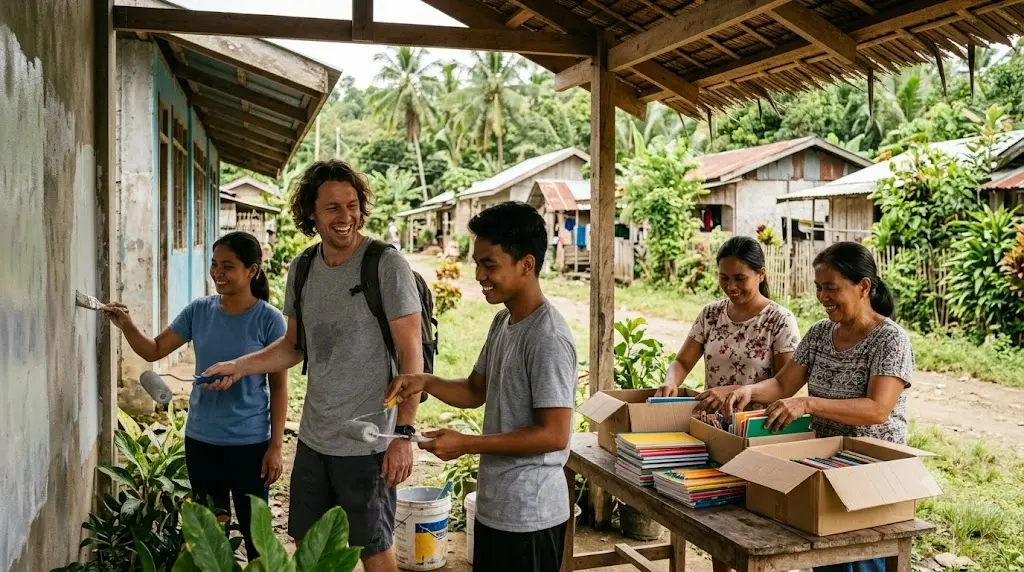
Becoming a volunteer in the Philippines starts with three steps: choosing a program that matches your interests and schedule, contacting a trusted local organization, and completing a short orientation before your placement begins. Whether you're a foreign traveler planning a trip or a Filipino looking for something meaningful to do close to home, the process is more accessible than most people expect.
In this guide, we'll walk through exactly how to get started — including what's different if you're coming from abroad versus volunteering locally, what to expect, and how to avoid programs that aren't as ethical as they claim to be.
Step 1: Decide What Kind of Volunteer Work Fits You
Before reaching out to any organization, it helps to know what kind of work genuinely interests you. Volunteer programs in the Philippines generally fall into a few categories:
- Education & Teaching — supporting local children with English literacy, tutoring, and creative learning activities
- Community Development — infrastructure support, skills training, and grassroots initiatives shaped by local families
- Healthcare Outreach — supporting local health workers with screenings, nutrition programs, and health education
- Environmental Conservation — reef restoration, mangrove planting, and coastal cleanup work
- Orphanage Childcare — daily care, recreational activities, and homework help at licensed childcare centers
- Sustainable Livelihoods — helping families build long-term income through skills training and business mentoring
You can see the full breakdown of each on Voluntour's Programs page, including duration, location type, and what each program actually involves day to day.
Step 2: If You're a Foreigner — What to Arrange Before You Go
If you're planning to volunteer in the Philippines from abroad, a few practical things need to be sorted out first:
- Visa requirements — most foreign visitors can enter the Philippines visa-free for a limited stay (typically up to 30 days depending on nationality), but longer volunteer placements may require an extension or a different visa category. Check current requirements with the Philippine Department of Foreign Affairs before booking your trip.
- Travel insurance — a genuinely important step many first-time volunteers skip. Look for a policy that covers the specific activities of your program (e.g., water-based activities if you're joining an environmental conservation project).
- Flights and accommodation — some programs include accommodation as part of the placement; others expect you to arrange your own. Confirm this directly with the organization before committing.
- Vaccinations — consult a travel clinic ahead of time, especially for placements in more remote provinces.
A legitimate, ethical volunteer organization should be upfront and clear about all of this before you apply — if an organization is vague about logistics or pressures you to book quickly, that's worth treating as a warning sign.
Step 3: If You're a Local Filipino — Why This Is More Accessible Than You Think
If you're already based in the Philippines, volunteering is often far simpler than the "flights and visas" version of the story most volunteer travel content focuses on. You don't need to arrange international travel — many programs run in communities within a few hours of major cities like Manila.
This makes volunteering a realistic option for:
- Students needing community service hours for school requirements
- Companies organizing a CSR (corporate social responsibility) outreach day for their team
- OFWs home on vacation who want to spend part of their time giving back
- Anyone simply looking for a meaningful way to spend a weekend or two
Step 4: Choosing an Ethical, Trustworthy Organization
Not every volunteer program is built the same way, and it's worth knowing what separates a genuinely community-driven program from a performative one:
- Ask who decides what the community needs. Ethical programs are shaped by conversations with local families and leaders — not decided from outside and imposed on a community.
- Be cautious of orphanage-focused programs with very short placements. Ethical childcare volunteering generally requires consistency, not a rotating door of short-term visitors — this is actually an important child-welfare consideration, not just a scheduling preference.
- Look for transparency, not inflated numbers. A young, honest organization that's upfront about being newly founded is often more trustworthy than one making vague, unverifiable claims about scale.
At Voluntour Philippines, our approach is built specifically around this — community-driven initiatives shaped by what local families actually need, not a one-size-fits-all program designed for a good photo.
Step 5: Applying and What Happens Next
Once you've chosen a program, the actual application process is straightforward:
- Browse the available programs and pick the one that matches your interest, skills, and timeline
- Reach out through the Contact page to discuss availability, duration, and any questions you have
- Complete a short orientation before your placement begins, so you understand the community and program expectations
- Begin your volunteer placement with ongoing coordinator support throughout
Common questions about safety, program length, and logistics are answered on the FAQ page — worth a quick read before reaching out.
Volunteering in Manila and Nearby Areas
For those specifically looking for opportunities close to Metro Manila, several community development and education programs run in nearby provinces, making it possible to volunteer without needing to travel far from the capital. If a Manila-based or nearby placement matters to you, mention this directly when you reach out — availability shifts based on which communities currently have active programs.
Final Thoughts
Becoming a volunteer in the Philippines doesn't require a huge budget, months of planning, or prior experience — what it does require is genuine intention and a willingness to listen to what a community actually needs, rather than assuming you already know. Whether you're arriving from abroad or already call the Philippines home, the path to your first placement starts with a single message.
Ready to get started? Browse Voluntour's volunteer programs or reach out to our team with any questions.